

Author Archives: Samurai
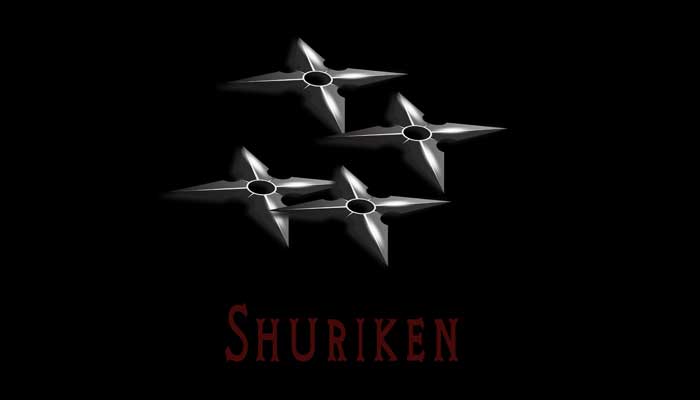
Shuriken
Shuriken refers to a Japanese concealed weapon. Ninja Shuriken is literally translated from sword hidden in users hands. These Ninja Weapons are used for throwing, stabbing and slashing. These Ninja Tools are sharpened. These are weapons that are made from [Read More...]
Dec

Kakute
Kakute are rings made of steel or iron. Ninja Kakute is worn by the Ninjas but, was favored by the Kunoichi or female Ninja. Sometimes these Ninja Tools are dipped in poison. These Ninja Weapons are worn on the middle [Read More...]
Dec
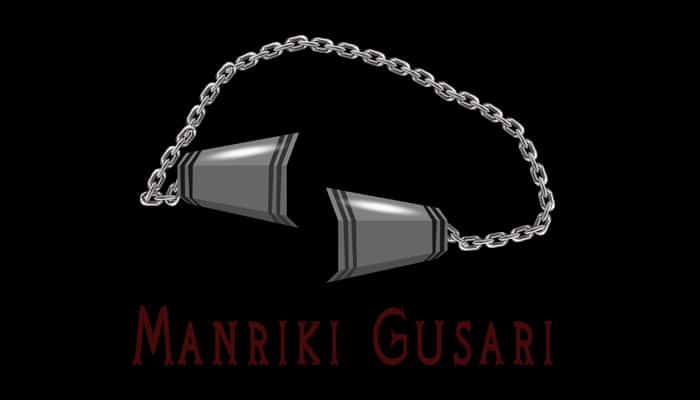
Manriki – Gusari
Manriki-Gusari is one of the secret Ninja Weapons. This Ninja tool has a simple shape. Weights are attached to both ends of the weapon as this tool is connected to a chain. The length of Ninja Manriki-Gusari will depend on [Read More...]
Dec
Blowgun
In Japan blowgun is known as Fukiya. A blowgun is also referred to as blow pipe or blow tube. The weapon is place inside the pipe. The breath will create a projectile momentum with the use of ones breath. This [Read More...]
Dec
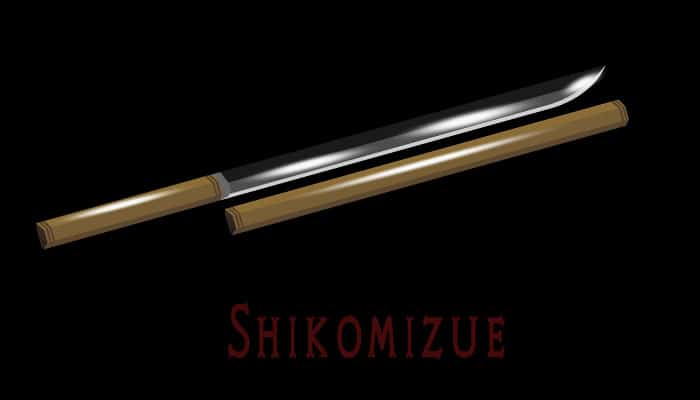
Shikomizue
Shikomizue is a Ninja Weapon that is referred to as prepared cane. This is just a disguise because this Ninja Tool looks like an ordinary cane or walking stick. Ninjas are known for disguising as elderly or cripple with the [Read More...]
Dec

Tekken
Tekken is a Ninja Weapon referred to as Knuckle Duster. Ninja Tekken is a fist load weapon. This is also a good weapon for heavier work. This was the weapon favored by jujutsu like system that places an emphasis on [Read More...]
Dec

Kaginawa
Kaginawa is a combination from the words Kagi which means hook and Nawa which means rope. Ninja Kaginawa is simply a Ninja Weapon use as a grappling hook during feudal Japan. Even Samurais and their retainers used this weapon. Foot [Read More...]
Dec
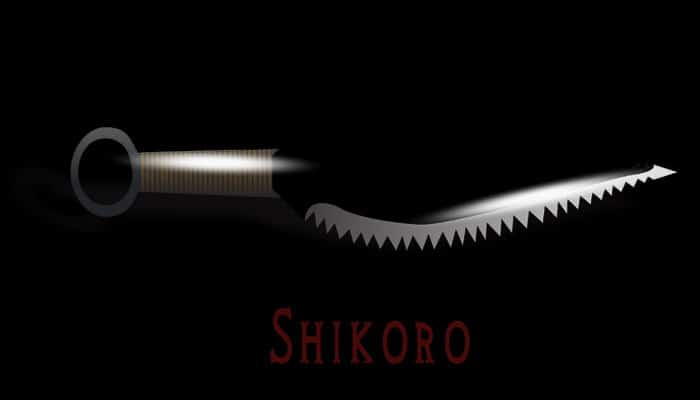
Shikoro
Shikoro was one of the Ninja Tools that that Ninja held onto. Ninja Shikoro was categorize as a kaiki tool or in Japanese these means to open. These Ninja Weapons were used to open closed doors or fences. Almost all [Read More...]
Dec

Metsubushi
Metsubushi was known in Japan as eye closers because of what it can do. There were variations of this Ninja Weapon that are used by Samurai police and other individuals. The aim was to disorient or permanently cause blindness to [Read More...]
Dec
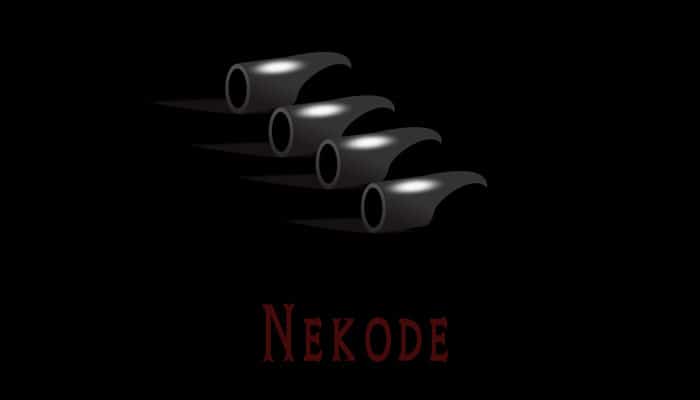
Nekode
Southeast Asia during ancient times has these small weapons known as Anki. These weapons were typical representative of Kakushi-buki or concealed weapons. This is also a relative of Shuko clasws known as Tekko-Kagi. These were not purely classified as Ninja [Read More...]
Dec
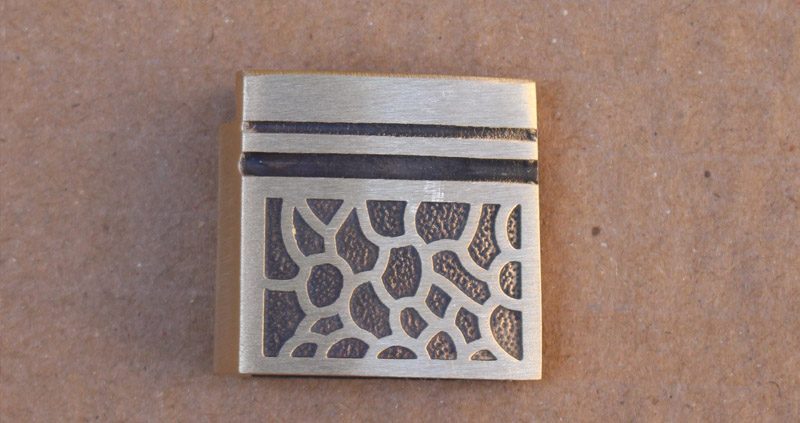
Habaki
There are two things Katana Habaki is known for: it is the anchor for the Tsuka or sword handle, seppa and tsuba. Habaki is mounted over the sword tang and stops the notches from hurting the owners. This Katana part [Read More...]
Dec
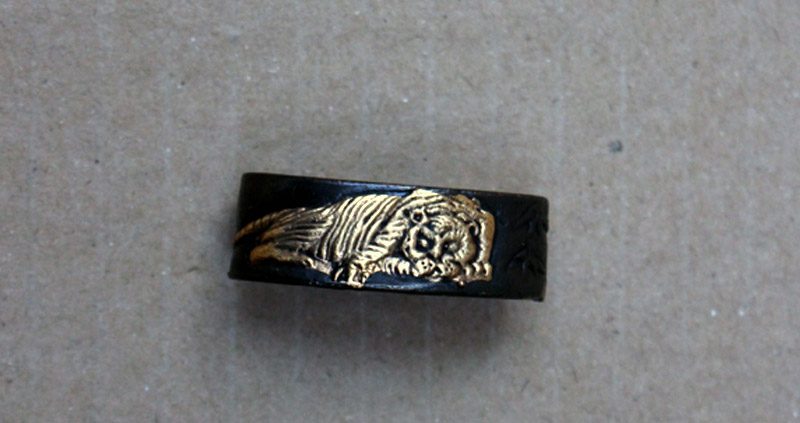
Fuchi
Fuchi is the hilt resembling a cap type collar that lies between the tsuka and tsuba. This covers the opening in the tsuka of a Japanese sword. Even the tang of a sword goes into the tsuka through the opening [Read More...]
Dec
Menuki
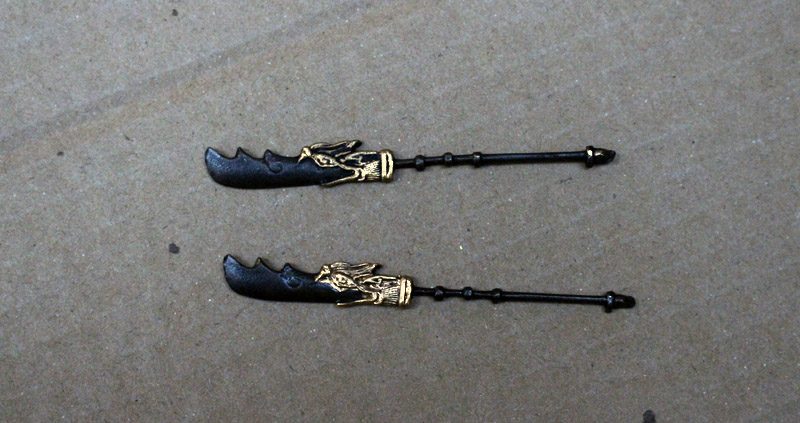
Menuki refers to the ornamentation found on the tsuka. This is the part under the tsuka-ito. Originally this part was used to hide the Mekugi. This ornamental part is found on Katana and Wakizashi handle wrap. This fits the palm [Read More...]
Dec
Tsuka
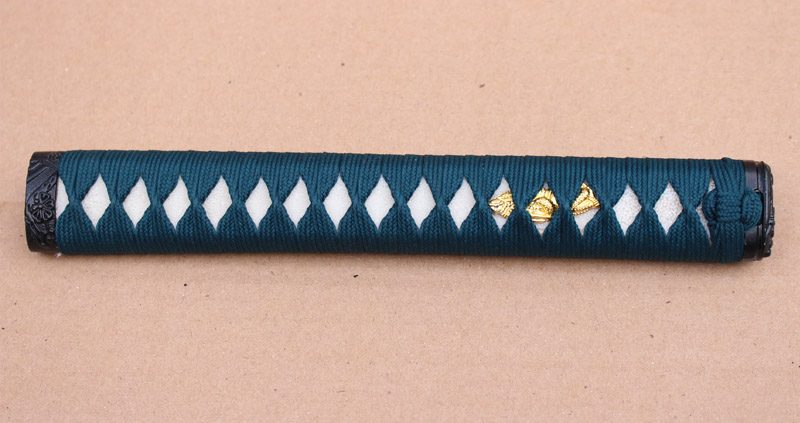
The tsuka is the handle of the Japanese sword. This is divided into the Menuki or Samegawa. Menuki are ornaments on the tsuka while Samegawa is the ray skin that covers the handle. Traditional wrappings are referred to as Tsuka-ito. [Read More...]
Dec
Mekugi
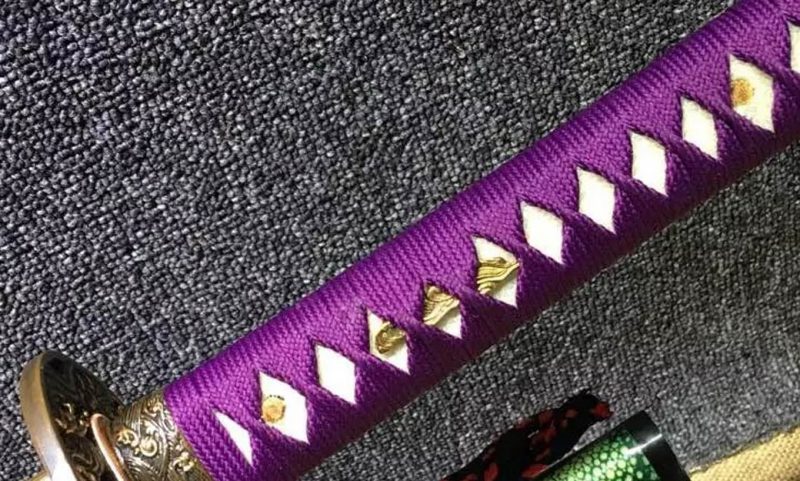
Katana has three Mekugi or simply known as pegs. These are usually made of bamboo pins. Extra pegs can be a good way to strengthen the sword handle. Secure the tsuka to the Nakago. Swords use in martial arts it [Read More...]
Dec
Ito
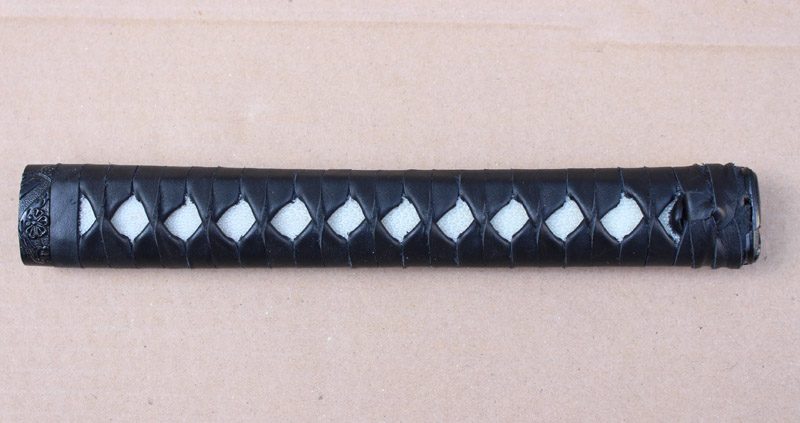
Ito is commonly referred to as Tsuka-Ito which simply means handle wrapping or handle cord. Its main purpose is both aesthetic and functional. Katana Ito reinforces the tsuka and prevents techanical failure when using the sword. Hishigame is an important [Read More...]
Dec
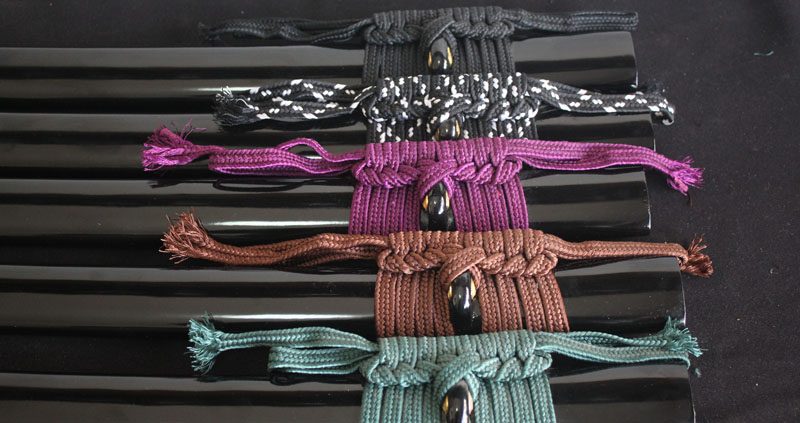
Sageo
Before learning the process of tying Sageo Ito or the braided cord that extends from the Kurikata knob onto the saya it would be better to get to know what Katana Sageo is. Saya Sageo is either made of silk, [Read More...]
Dec
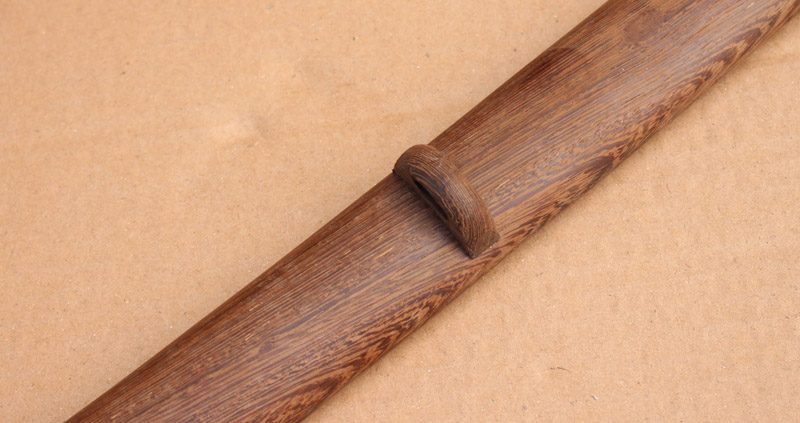
Kurikata
Kurikata is the knob attached to the scabbard of a Japanese sword. The Sageo or cord that secures the Saya of the sword goes through a hole found on this Katana Kurikata. Kurikata placement varies however, it is never done [Read More...]
Dec
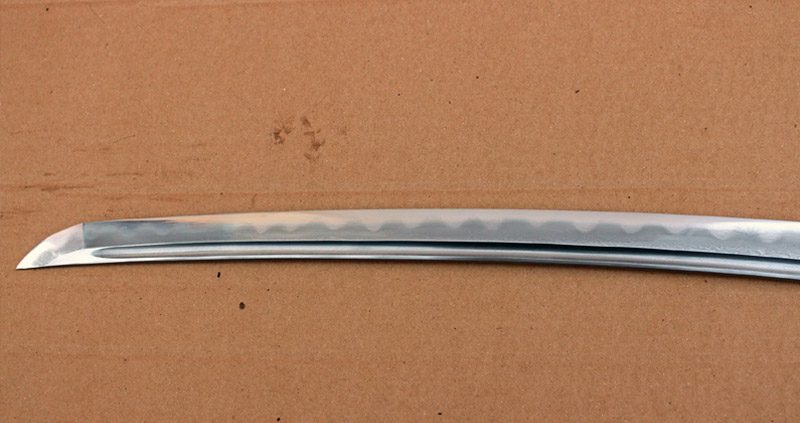
Mune
Mune Katana is known as the harder cutting edged than spine part of the Japanese blade. The difference lies in the use of clay on the blade during the cooling process or quenching. Having no clay or less clay allows [Read More...]
Dec
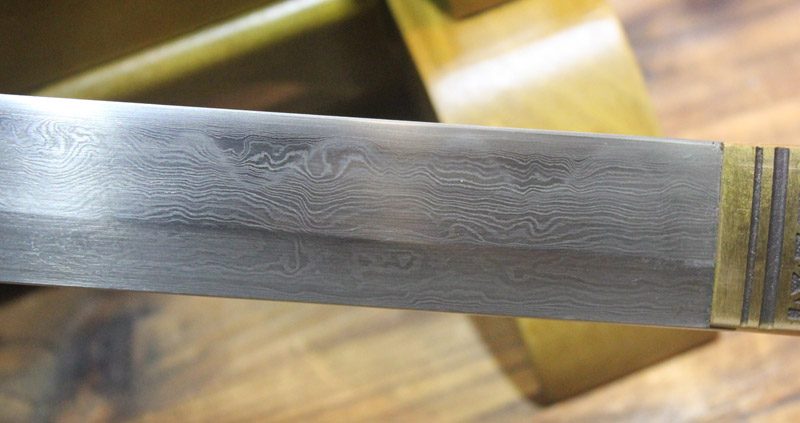
Hada
Japanese swords are made from folded steel. These lines are visible and known in Japan as Hada. This lines will depend on how many times the blade was folded. Japanese sword enthusiasts know the importance of Hada Katana on the [Read More...]
Dec
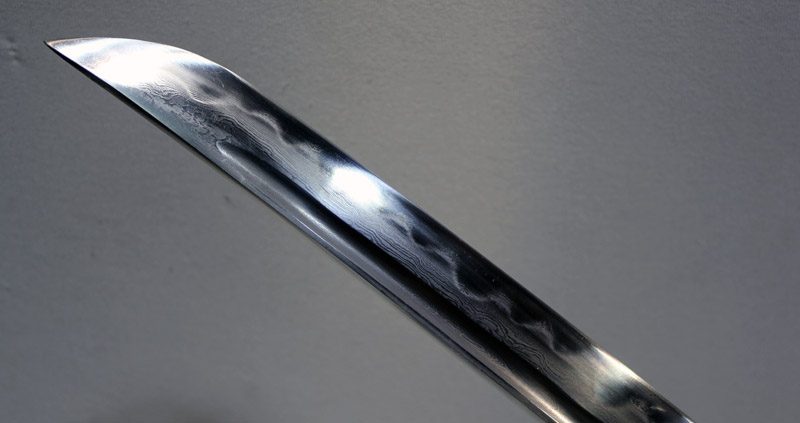
Ha
The tempered cutting edge of a blade is known as Ha. This is the opposite side of the Mune. This is also called as Hasaki or Yaiba. This is the blades razor sharp cutting edge. This part covers the entire [Read More...]
Dec
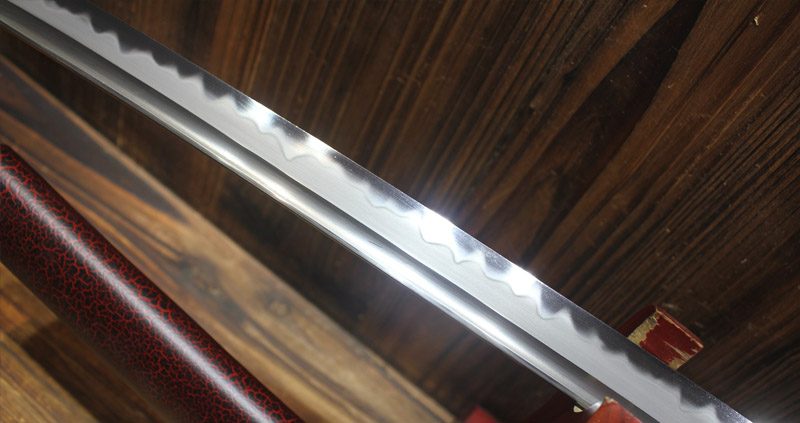
Katana Hamon
Hamon is the part of the Samurai sword referred to as blade pattern. This is the effect produce by the hardening process. The blade produce during this hardening process is referred to as Yaki-ire. This has a different HRC base [Read More...]
Dec
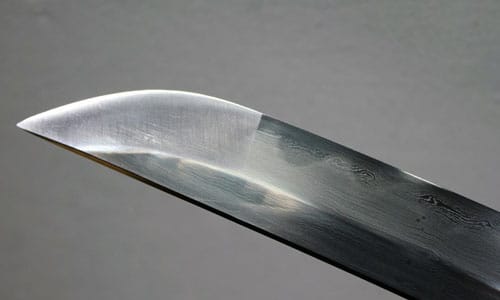
Yokote
The Yokote is the line that divides the body of the blade or Ji with its tip or Kissaki. There is a symmetry seen when the geometry of the blade changes from the blade to the tip. The Katana Yokote [Read More...]
Dec
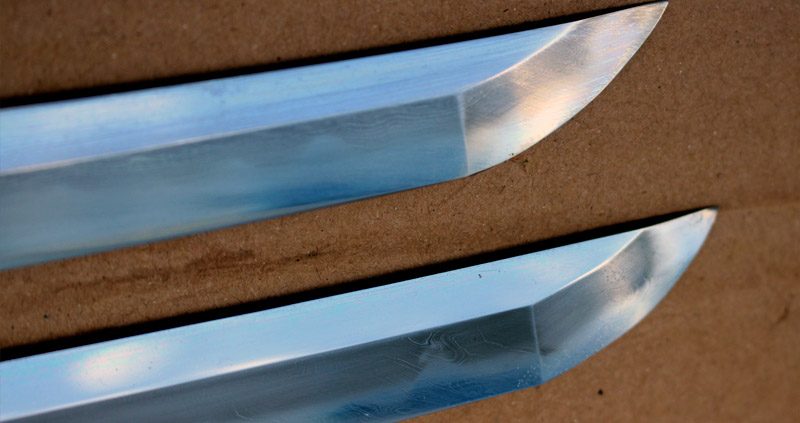
Boshi
The Boshi is more than just an aesthetic part that runs along the Kissaki of the blade. This may look simple but, it requires a great deal of ability and expertise in order to create this pattern. Boshi Katana demonstrates [Read More...]
Dec